Together,
WE ARE ABLE.
October 2026, section by section. Tap a page to go to it.
The Feature
Most of America’s nonprofits are small, and most of them are local. In a hard year, they are often the first door people knock on. How they fit into the bigger picture, and what holds that picture together.
Picture everything a community has to offer as a map. The big buildings are easy to find: the county offices, the hospitals, the universities, the large charities with their names on the side. Between them are hundreds of smaller places that are harder to see from the road. A food pantry in a church basement. A mentoring program that meets at the library. A reentry navigator who answers her phone after hours. A parent who started a support group because she could not find one.
Those smaller places are not the edges of the map. In most communities, they are most of it.
They are also, very often, where help begins. People rarely start with an agency’s website. They start with someone they know, in a place they already go. The small organization hears the need first. When the need is bigger than it can meet alone, it knows which door to send someone to next.
That is the idea behind this issue. A community’s support works less like a ladder and more like a web, and every strand matters.
The Feature
Most of the sector is small
60%of U.S. nonprofits run on budgets below $50,000 a year.
That figure comes from Candid, which tracks the sector through IRS filings. Candid calls these organizations the invisible majority. Many are run by volunteers. Many are known mostly to the neighbors they serve.
They are also the least funded. In the group of nonprofits Candid analyzed for 2019 to 2023, very small organizations made up 60 percent but received about 0.4 percent of the foundation funding in Candid’s data. Only 22 percent of them received even one foundation grant in that time, compared with 72 percent of the other nonprofits in that group.
None of that makes them less important. It makes them easy to overlook. And what they offer is hard to replace.
What close looks like
What small organizations have is closeness.
The Feature
They are run by neighbors, in places people already go, often in the language people already speak. That closeness builds something larger institutions can spend years trying to earn: trust.
In a national survey released in July 2026, Independent Sector and Edelman Data & Intelligence found that 56 percent of Americans highly trust nonprofits, more than they trust government institutions or large corporations. The more telling finding was about contact. Among people who had dealt directly with a nonprofit in the past year, 60 percent said their trust grew because of it.
Trust is not a soft benefit. It is how help reaches people. During the COVID-19 vaccine rollout, 29 community-based organizations in Washington, DC and 14 states took part in a vaccine equity effort evaluated by the Urban Institute. In its first year, those organizations trained 7,708 trusted messengers and helped 105,669 people get COVID-19 and flu vaccines. The evaluation’s conclusion: outreach “through trusted community-based organizations effectively fostered trust.”
The message mattered. So did who carried it.
One web, many hands
No organization, large or small, can meet a community’s needs alone. In 2011, John Kania and Mark Kramer gave that idea a name in the Stanford Social Innovation Review: collective impact. Their argument was that lasting change comes from many groups working toward a common agenda, with shared measures and constant communication, rather than each working on its own.
The Feature
Their leading example began in greater Cincinnati and northern Kentucky, where more than 300 leaders of local organizations agreed to work together on student achievement.
A community’s support works less like a ladder and more like a web.
The same pattern shows up close to home. The Capital Area Food Bank serves the region through hundreds of nonprofit and faith-based partners. The large organization moves the food. The pantries, houses of worship, schools and neighborhood groups know who needs it, and get it to the door.
Across the country, the 211 helpline made 19 million referrals to local help in 2025, about 53,000 a day. Each one is a strand in the web: a person in need, connected to someone nearby who can help.
A hard year in the region
The past two years have tested that web, and the Washington region has felt it sooner than most. The DMV lost more than 56,000 jobs in 2025, about 54,000 of them federal, the largest drop of any major metro area in the country, according to Brookings.
Need rose at the same time. In the Capital Area Food Bank’s 2026 Hunger Report, 38 percent of households in the region experienced food insecurity in the past year. In Prince George’s County, the figure was 56 percent.
56%of households in Prince George’s County faced food insecurity in the past year.
Nonprofits here felt it, too.
The Feature
In early 2025, 43 percent of nonprofits in the greater DC region had a government funding disruption, compared with 33 percent nationally, the Urban Institute found. Size changes how a loss lands. Urban’s smallest group, charities spending $50,000 to $99,999 a year, sits just above the very small organizations Candid counts. Among the charities in that group that lost government funding in 2025, 29 percent lost half or more of their revenue. Among the largest, those spending $1 million or more a year, it was 16 percent or less.
What holds it together
Here is the part the numbers can miss. The web holds because people hold it. More than 28 percent of Americans formally volunteered in the most recent national count, and 54 percent informally helped a neighbor, according to AmeriCorps and the U.S. Census Bureau.
Organizations are reaching for each other, too. Exactly half of the nonprofit chief executives surveyed by the Center for Effective Philanthropy in 2026 said they had started new partnerships in response to current conditions. And local giving stays local: in fiscal year 2025, the Greater Washington Community Foundation granted more than $119 million, and it reports that 78 percent of its annual grants support this region.
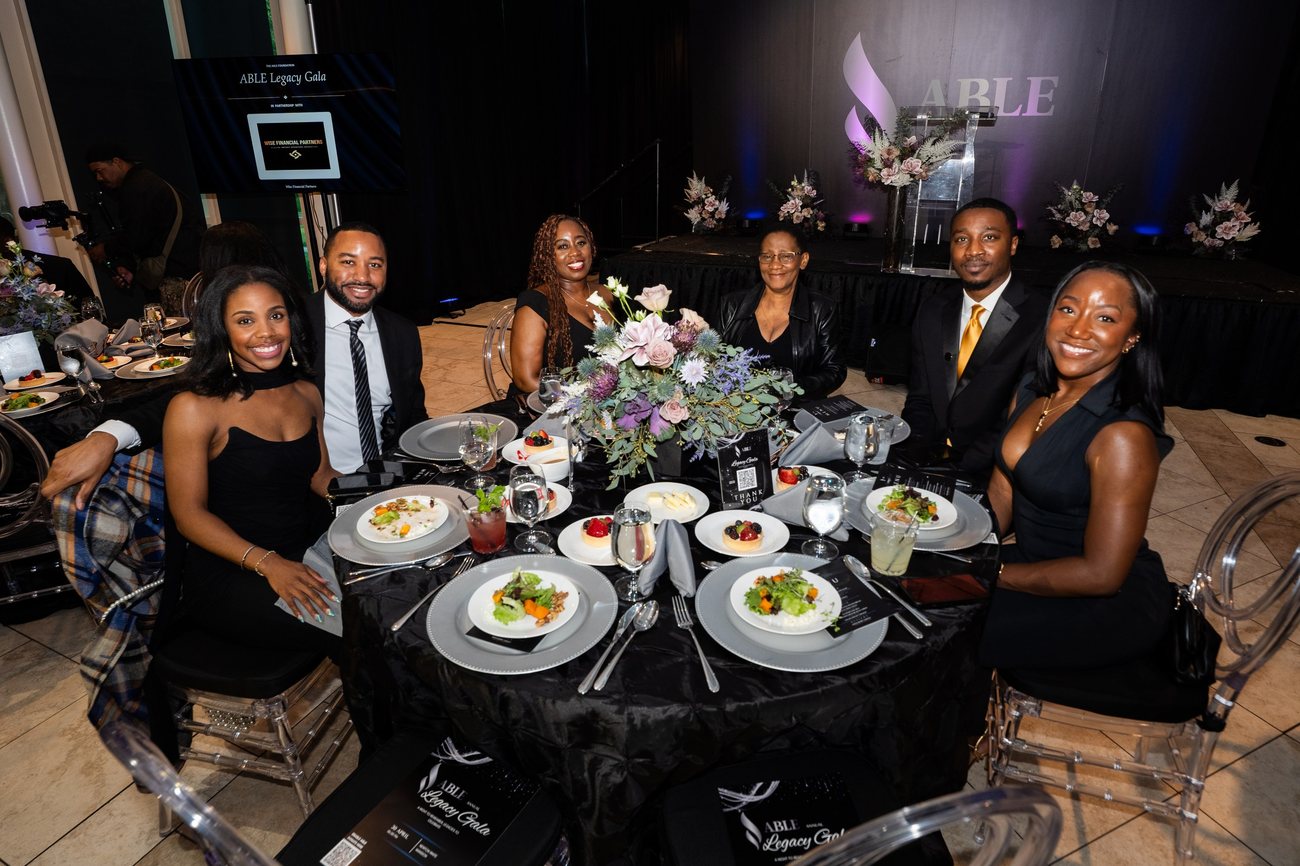
A small organization rarely gets through a hard year on its own. It gets through on its partners, its volunteers and the neighbors who give.
The Feature
Where ABLE fits
The ABLE Foundation is one of these organizations. Founded in 2025 in Prince George’s County, it equips the people closest to a community with the tools and resources to lead its change, across five pillars: business, creative, education, health and justice.
The 2025-2026 programs were built by fellows and interns in the P.I.L.L.A.R. Cohort, each working in one pillar to answer a need they saw. A business accelerator. A docuseries. Two webinars. A directory of reentry support. The pages that follow show each one, in the words of the people who made it.
Close to home is where help begins.
Sources
Candid, “The invisible majority,” 2025. Independent Sector and Edelman Data & Intelligence, Trust in Nonprofits and Philanthropy, 2026. Urban Institute, Advancing Vaccine Equity through Community-Based Organizations, 2023. John Kania and Mark Kramer, “Collective Impact,” Stanford Social Innovation Review, 2011. Capital Area Food Bank, Hunger Report 2026. United Way Worldwide, 211 fact sheet, 2026. Brookings Metro, “After the fork,” 2026. Urban Institute, December 2025 and October 2026. AmeriCorps and U.S. Census Bureau, Volunteering and Civic Life in America, 2024. Center for Effective Philanthropy, State of Nonprofits 2026. Greater Washington Community Foundation, fiscal year 2025.
From ABLE
Financial knowledge, career opportunity, entrepreneurship, and wealth building help people shape a more secure future. We connect learning, relationships, and resources so more people can earn, own, and grow.
Guest experts on branding and funding met the cohort online, pillar coordinator Glenn E. Windom II coached them in weekly roundtables, and each owner worked through a Business Growth Blueprint. The series closed with the Summit on May 2, and each owner received $1,200 in grants.
In their own voices
Select a person to hear their voice.
From ABLE
What we built
The series brought entrepreneurs together to strengthen their brands, understand business metrics, and learn from peers and experienced practitioners.
The series is a four-week program for small business owners, built by ABLE’s Business & Economic Advancement pillar. Its online sessions paired a guest speaker with a roundtable, while owners worked through a Business Growth Blueprint workbook.
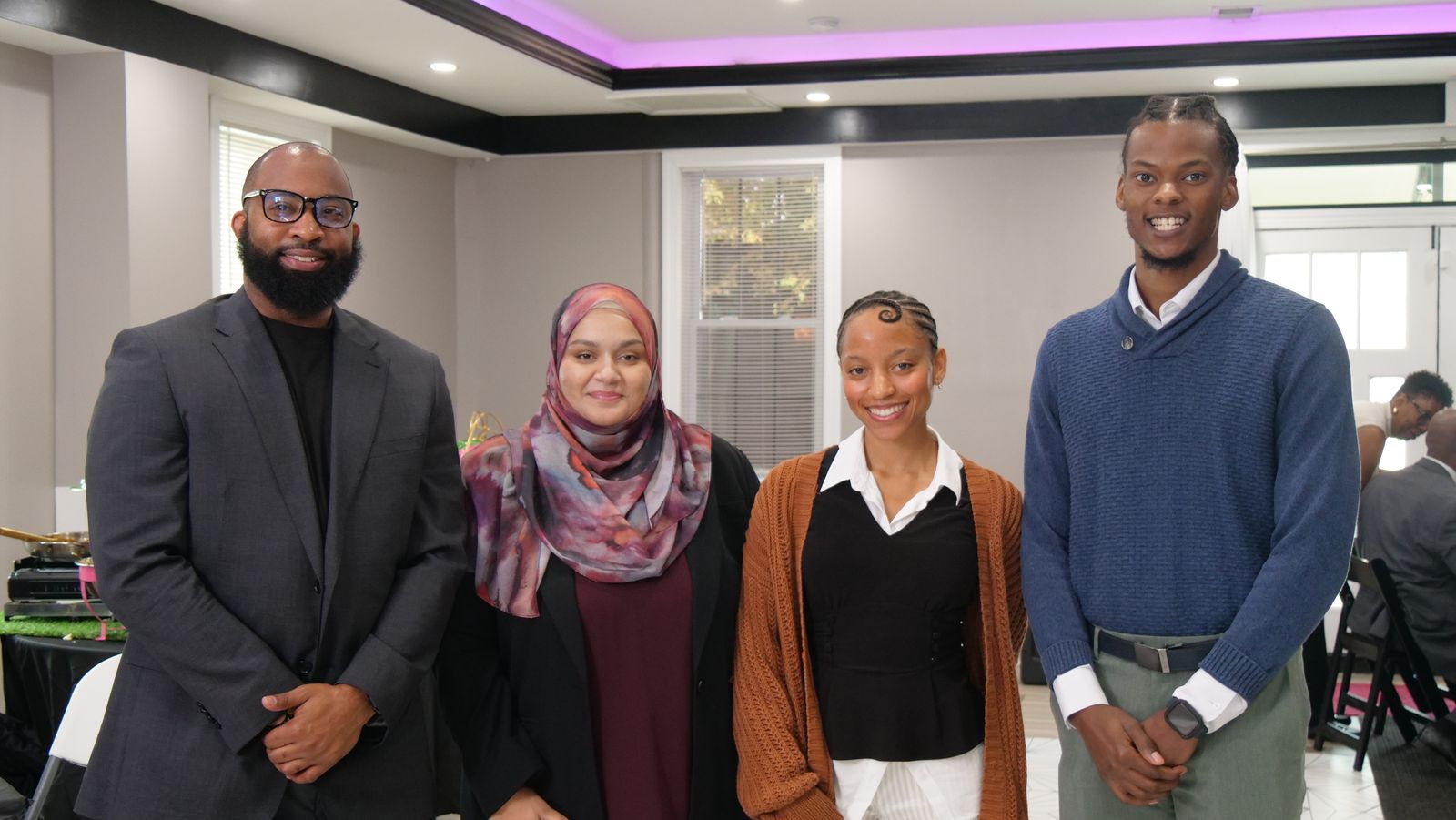
The spring 2026 cohort included Trenice Crawford of Sacred Luxe Beauty, Ed Matthews of Tru Clarity Wellness and Shavounta Thompson of Full Measure Collective School of the Arts. Guest speakers covered branding and funding.
Pillar coordinator Glenn E. Windom II, who also serves on ABLE’s board as treasurer, led the roundtables. In Week 1, the “Positioning Pressure Test,” each owner had two minutes to defend their brand. In Week 2, after a session on funding, he pushed them to put themselves out there. The series closed on May 2, 2026, with the Business Accelerator Summit. Each owner received $1,200 in grants.
“If you don’t believe they need what you have to offer, then you’re in business for the wrong reason.”
Built by P.I.L.L.A.R. Cohort fellow Saamiya Baig and interns Alanna Madlock and Nelson Jackson III.
Where it’s headedWe are building toward stronger connections between entrepreneurs, practical business knowledge, and the relationships that support sustainable growth.
From ABLE
Our voices. Our living history.
Art carries who we are. Through storytelling, film, music, dance, and visual expression, we make room for community voices, preserve our histories, and connect generations.
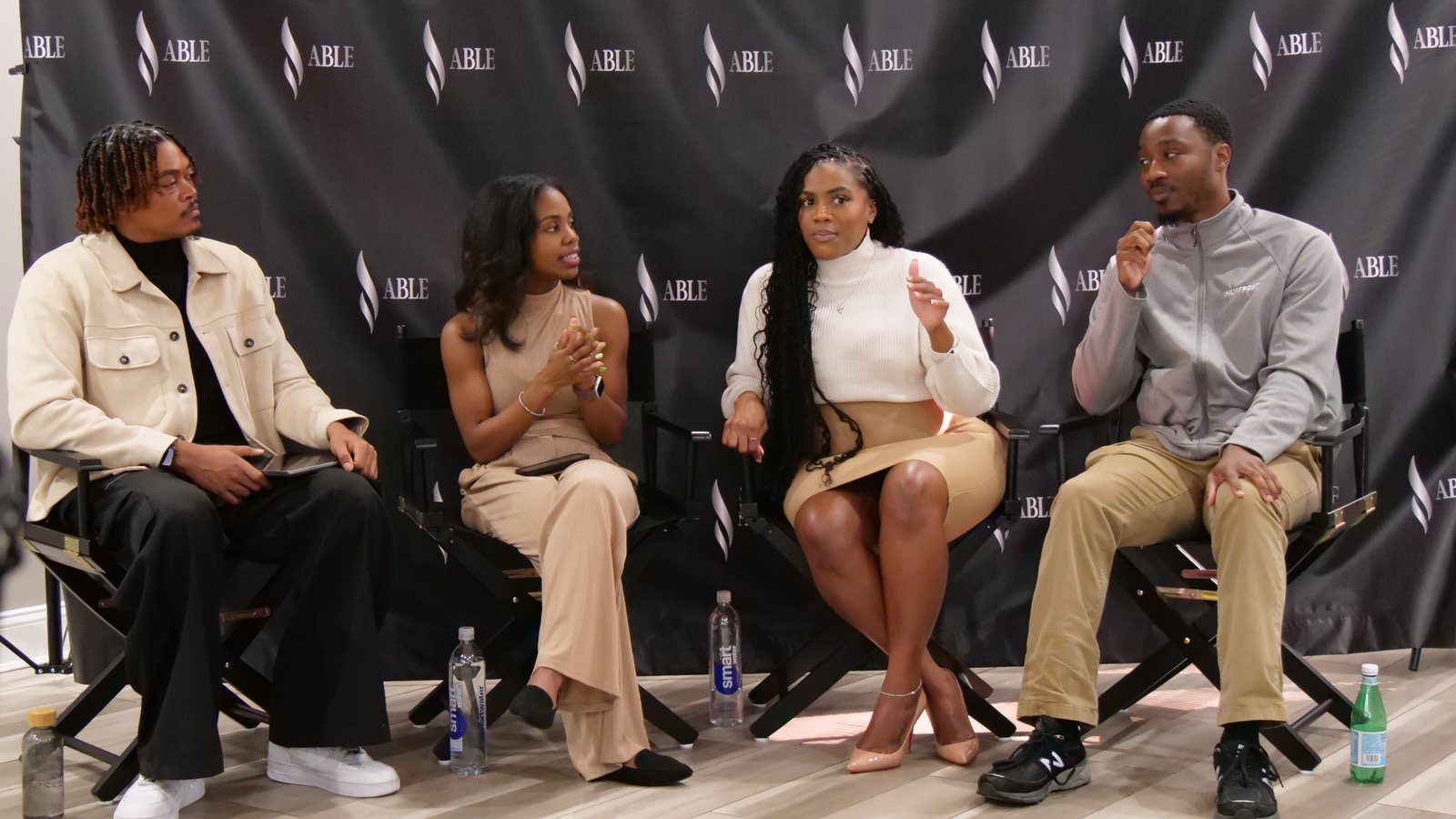
For the first episode of ABLE: Unscripted, they came together to talk about why they teach, what the work asks of them, and what their students need.
In their own voices
Select an educator to hear his voice.
From ABLE
What we built
Black male educators bring their voices to Beyond the Bell, a conversation about education and lived experience.
Their reasons for teaching run deep. Dr. William Blake watched his father teach for 42 years. Jarrell “Jay” Pittman found his purpose in students lighting up “when you give them the love and the compassion that they’re looking for.”
They are just as honest about what the work asks of them: being so few, choosing when to speak up and when to protect their own peace, and pushing back on what schools expect them to be. Desmond Williams recalls a classroom experience that left him feeling disconnected from his teachers.
And they keep coming back to students: to children seeing themselves in the people who teach them, and hearing, every day, that someone cares.
“I’m building humans. I’m not just teaching children.”
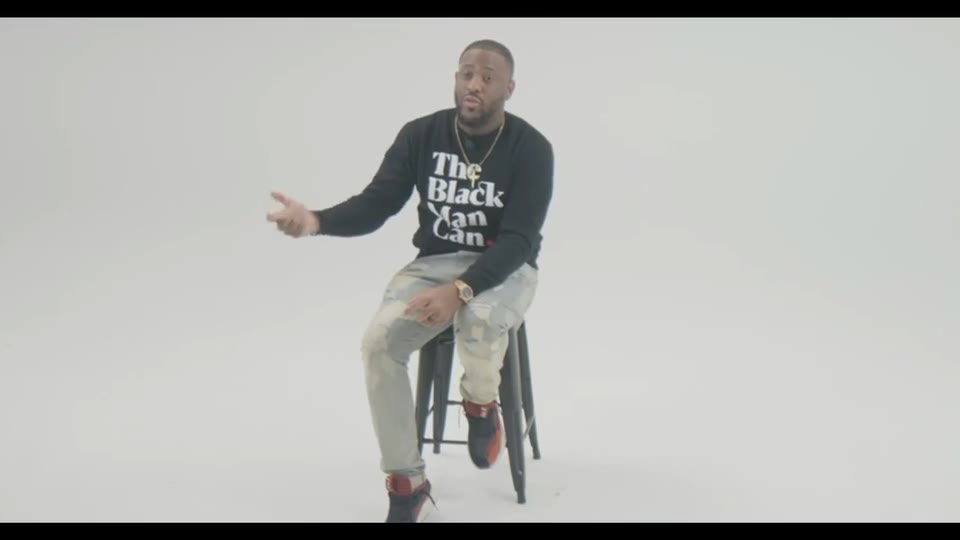
Built by P.I.L.L.A.R. Cohort fellow Grant Poston and intern Kandis Rutherford.
Where it’s headedWe are building toward more room for creative expression, cultural connection, and stories told by the people who live them.
From ABLE
Learning opens paths to college, careers, leadership, and lifelong growth. Through educational resources, mentorship, career preparation, and family advocacy, we work to make those paths more accessible.
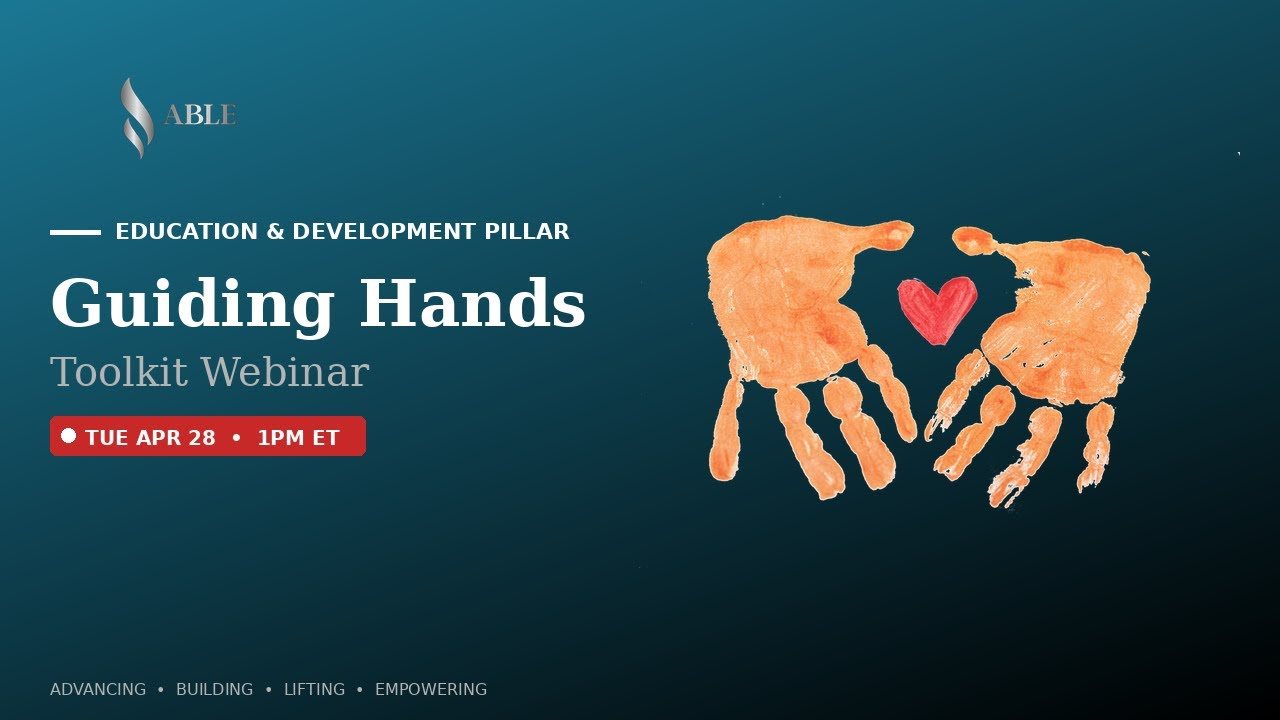
On April 28, the Education & Development pillar went live with Guiding Hands, a digital toolkit for understanding disability. The free webinar walked parents and caregivers through special education, from a child’s first referral to the rights a family holds at the table.
In their own voices
Select a person to hear their voice.
From ABLE
What we built
How families can support children with disabilities, and the toolkit the pillar built for IEPs and 504 plans.
Guiding Hands was made for families of children with disabilities and for the educators who work with them. Pillar fellow Melody Mann opened by naming the gap: culturally and linguistically diverse families often meet significant barriers in special education. The toolkit helps them understand what the legal language of IEPs and 504 plans actually means.
Each intern presented their own work. Eugene Choi designed a four-part infographic series on the IEP process and parent rights. Linda Fokam created social scripts, a caregiver conversation guide, a glossary and an infographic of 10 unwritten rules of special education. Natalie Jefferson, who told viewers she runs IEP meetings in her day job, recorded a voiced walkthrough from referral to reevaluation.
The tools are mobile-friendly and made to be used on demand. Melody’s invitation to viewers was simple: use the materials, and share them.
“As a caregiver, you are an expert at the table.”
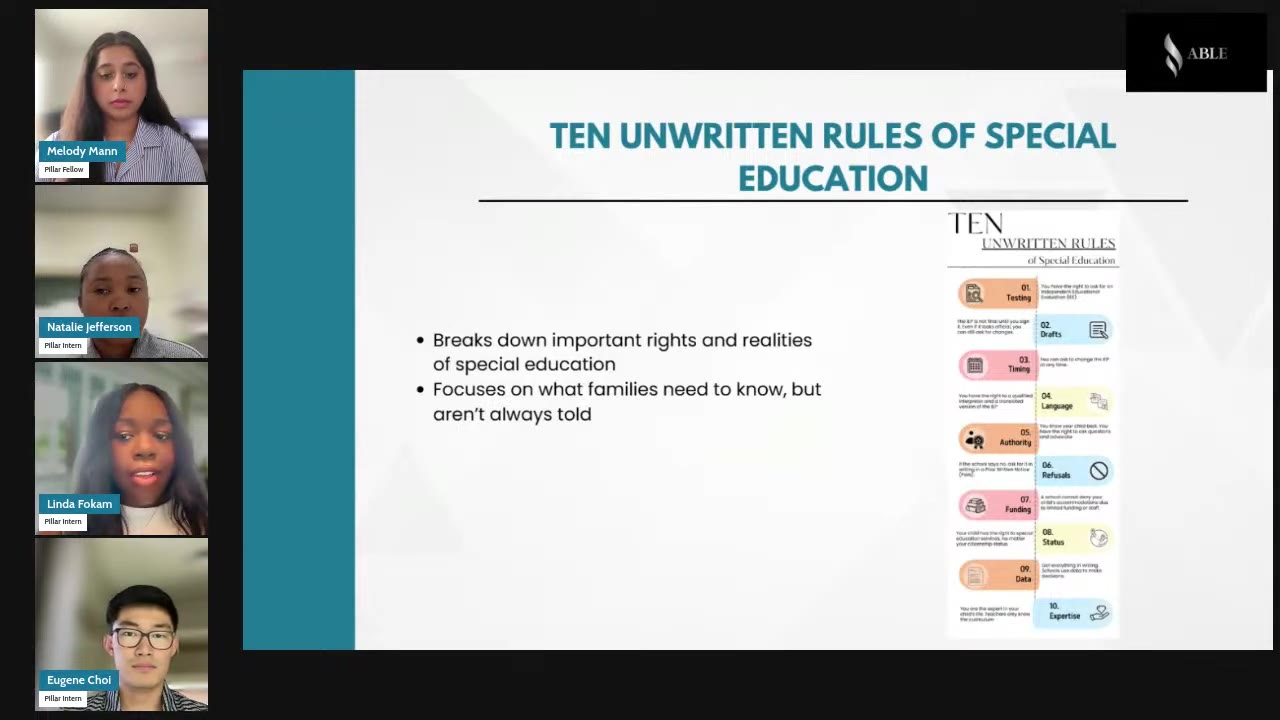
Built by Melody Mann, Natalie Jefferson, Eugene Choi and Linda Fokam, with Courtney Thomas.
Where it’s headedWe are building toward learning, mentorship, and practical tools that support people in shaping their futures.
From ABLE
Health education, mental well-being, and equitable access to care help people make informed choices and advocate for themselves and their families. We connect community voices with knowledge that supports healthier lives.
On May 1, the Health & Wellness pillar hosted Breaking Barriers: Access, Advocacy, and Maternal Health, a free virtual workshop for new and expectant moms. The recording lives on our site as The Black Maternal Health Webinar.
In their own voices
Select a person to hear their voice.
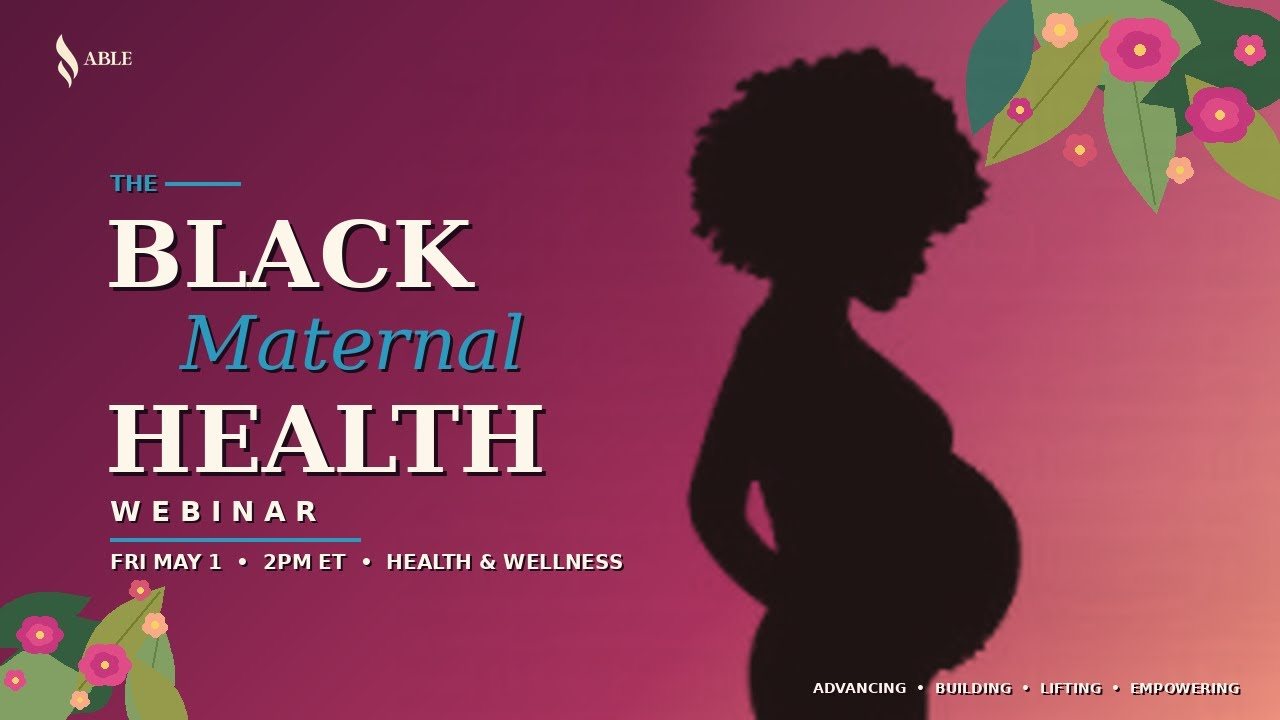 Watch the full workshopYouTube
From ABLE
What we built
Prenatal health, maternal mental health, infant care and the barriers to care in the DMV, with a guest pediatrician.
Pillar coordinator Shardé Alexander led the workshop with interns Chloe Alcindor and Awab Abdallah. The goal, she told viewers, was to give mothers knowledge, practical tools and culturally responsive support for healthy pregnancies, safe infant care and confident parenting.
Chloe started with prenatal health and nutrition, and Awab spoke on maternal mental health. Shardé covered infant feeding, bonding and safe sleep. The workshop also looked at barriers to care in the DMV, from cost and insurance to transportation, and a guest pediatrician talked through warning signs during and after pregnancy, then took questions.
One idea came up more than once: asking for help is a strength, not a weakness. Shardé closed by asking viewers to share the workshop and to keep having these conversations. In her words, “a healthy mom equals a healthy baby.”
“Community care is strength. It is not a weakness.”
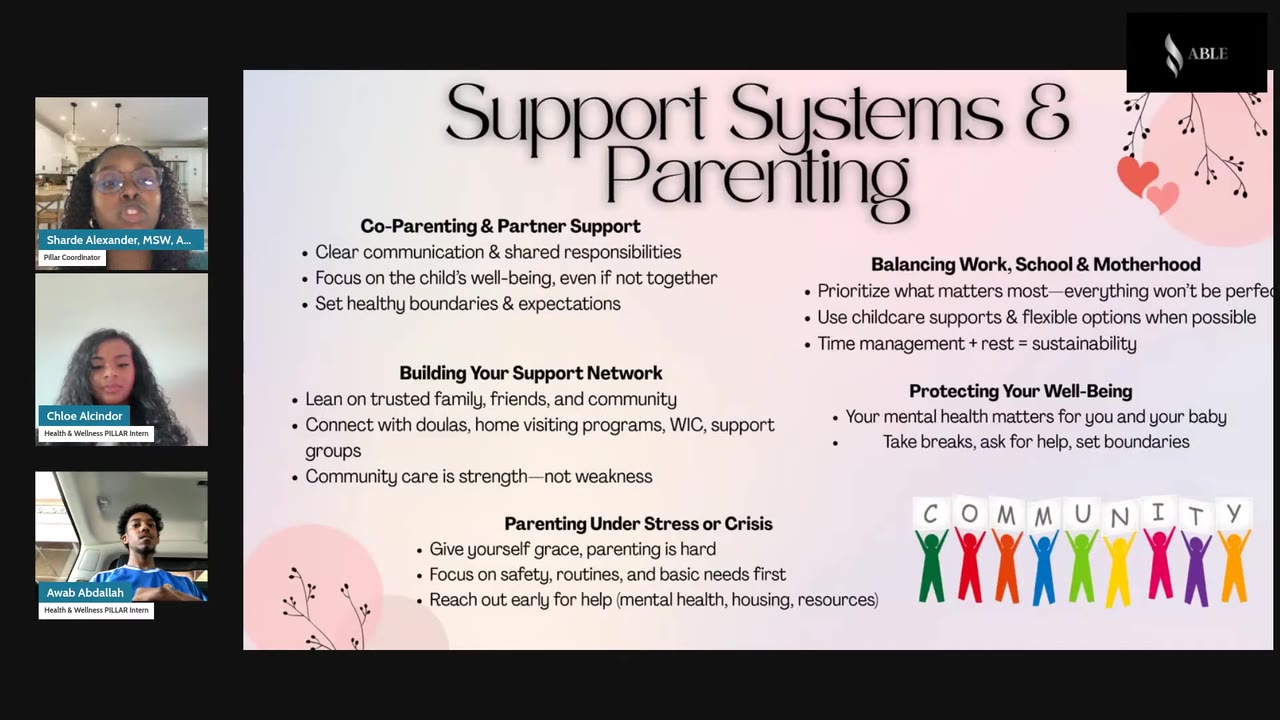
Built by Shardé Alexander, Chloe Alcindor and Awab Abdallah.
Where it’s headedWe are building toward health education, community connection, and conversations that support whole-person well-being.
From ABLE
Dignity, rights, and fair access to opportunity shape our work in justice and equity. We connect people with practical resources and information to navigate systems, advocate for themselves, and participate in decisions that affect their lives.
Mental health care, housing, work, legal help, a birth certificate or ID: the Reentry Resource Index gathers help for all five in one searchable place. A Justice & Equity fellow and two interns compiled it in spring 2026 for Prince George’s County and Baltimore City.
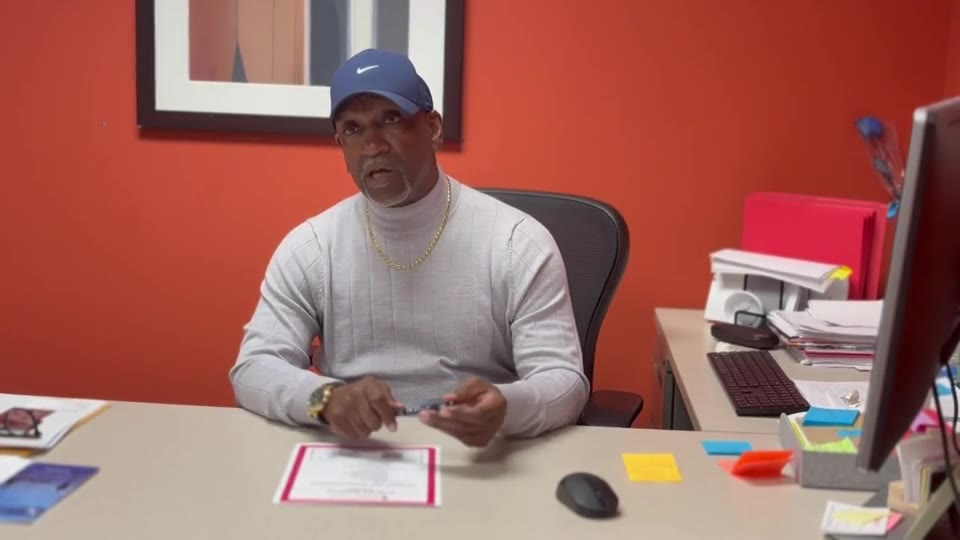
“Those 10 clients have been able to not only have their expungement process taken care of, two of them will be interviewing for a job on Monday.”
From ABLE
What we built
Forty-three resource listings for housing, employment, mental health, legal help and vital records in Prince George’s County and Baltimore City, in one directory you can search by location and service.
The index is a directory on ABLE’s website that anyone can search by location and by the help they need. It covers five services: mental health, housing, employment, legal help, and vital records and ID.
It holds 43 resource listings, 24 in Baltimore City and 19 in Prince George’s County. Listings include details such as phone, address, hours, cost, who is served and how to get help. ABLE asks readers to call ahead, since hours and eligibility can change.
Intern Rashaa McQueen researched Baltimore City, and intern Paige Miller researched Prince George’s County.
Find help near you
3 listings for housing in Prince George’s County
Built by P.I.L.L.A.R. Cohort fellow Kimberley Osias and interns Rashaa McQueen and Paige Miller.
Where it’s headedWe are building toward stronger access to information, community partnerships, and advocacy that challenges inequity.
Voting after a conviction, in Maryland, DC and Virginia: page 14.
In the Community
In the Community
Closer to home
Register. Use your voice. Vote.
Checked against the Maryland State Board of Elections, the DC Board of Elections and the Virginia Department of Elections on October 19, 2026. Rules can change; your local election office has the final word.
People
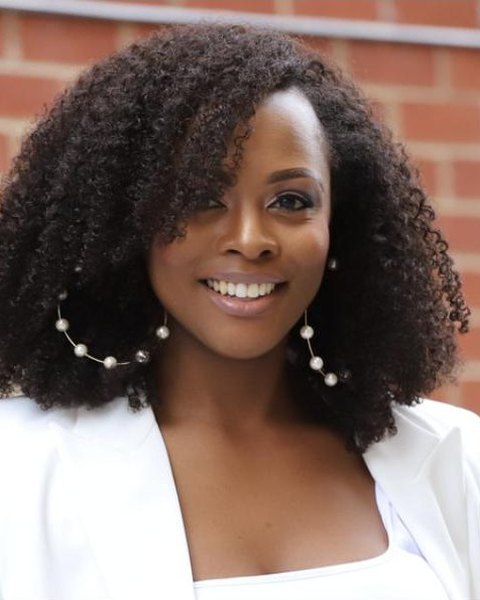
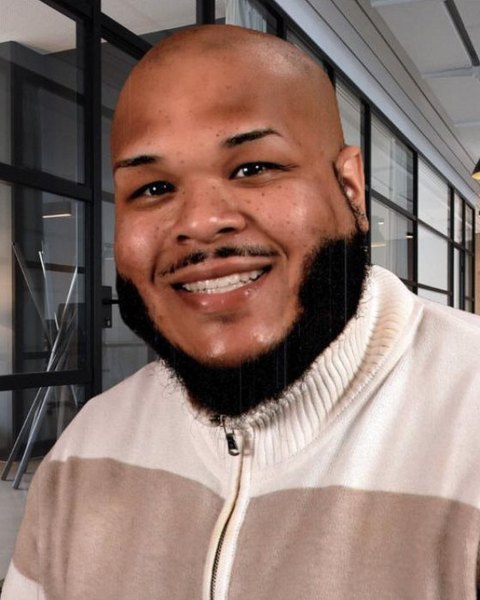
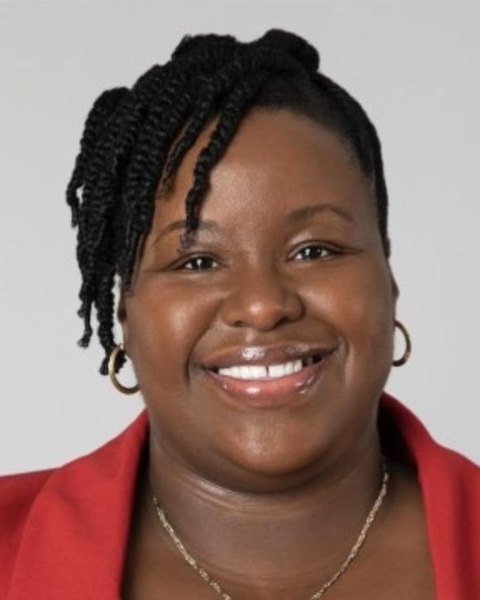
Our staff leads the day-to-day work. Our Board of Directors provides governance and strategic oversight.
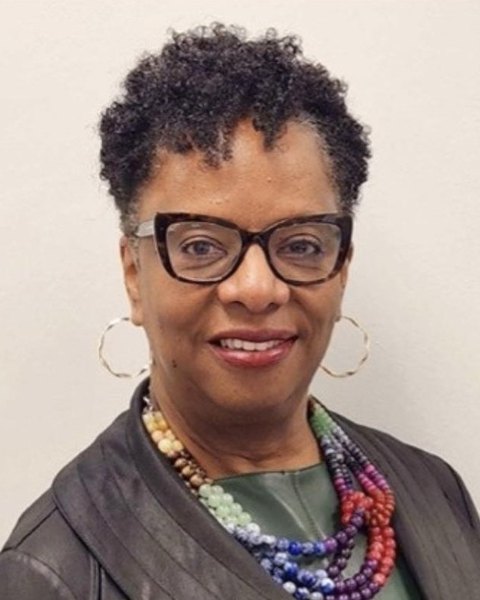
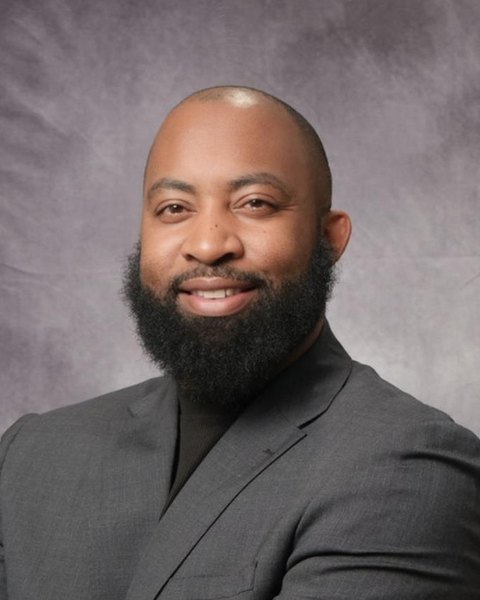
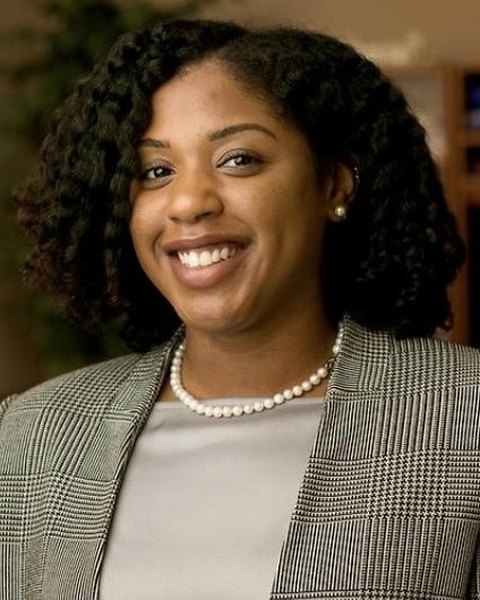
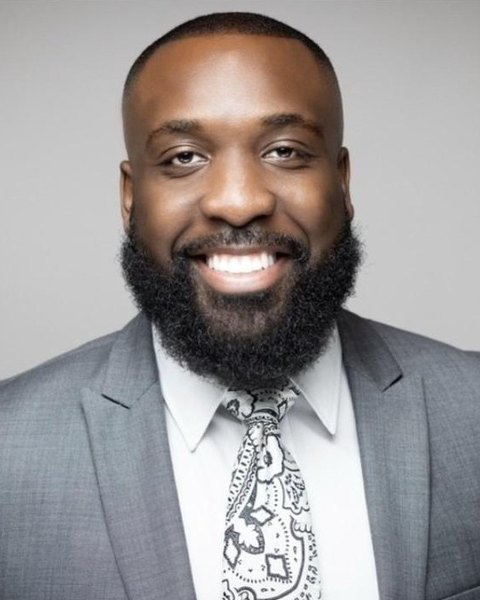
People
Volunteer roles
Five volunteer roles are open now. About 20 hours a month, mostly remote.
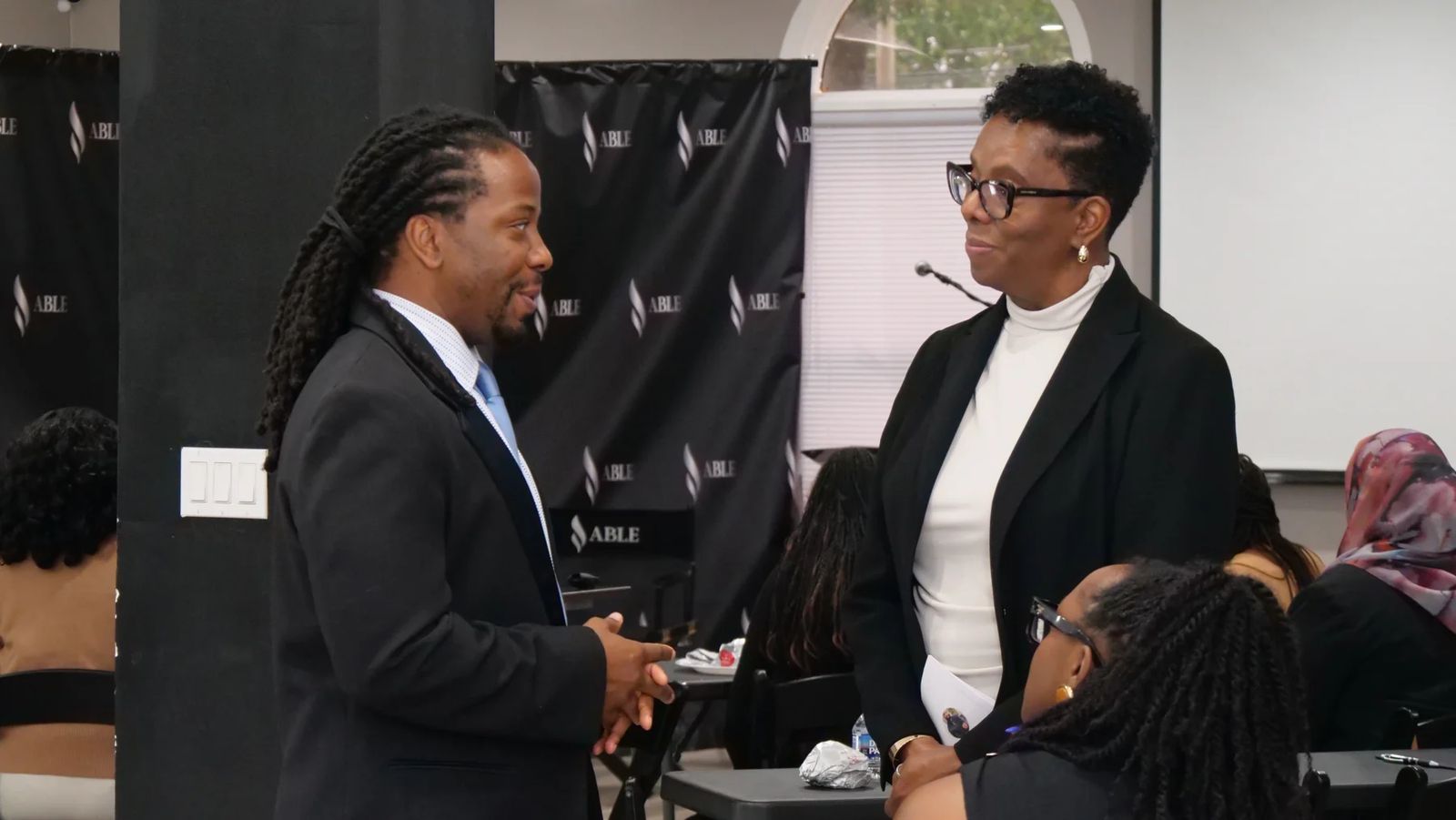
Tap a role to read the posting and apply.
Founder’s Perspective
In moments like this, it can be easy to retreat. Why this is the exact moment when community matters most.
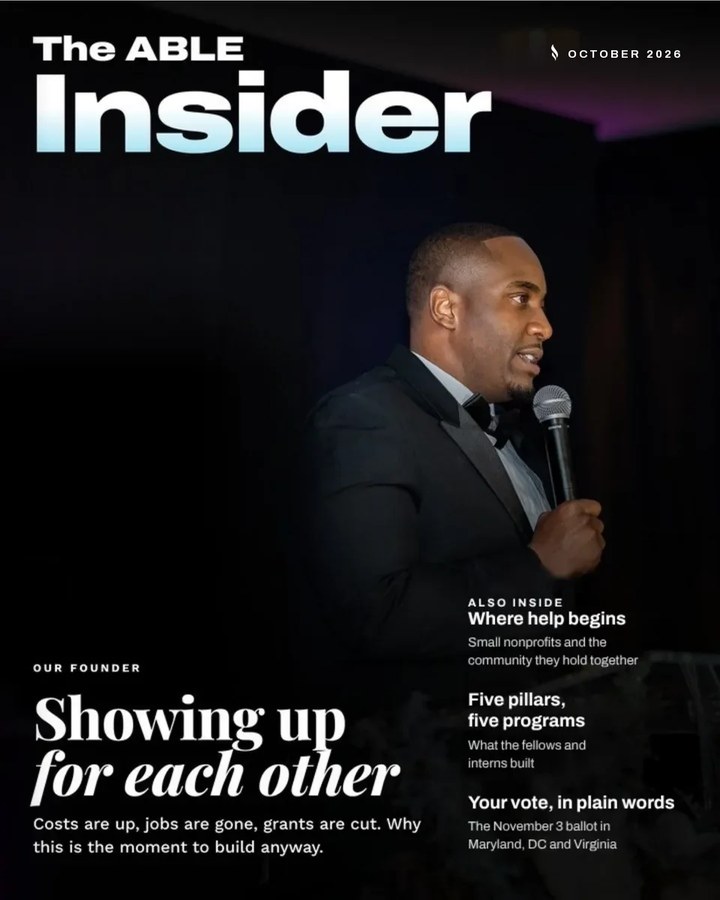
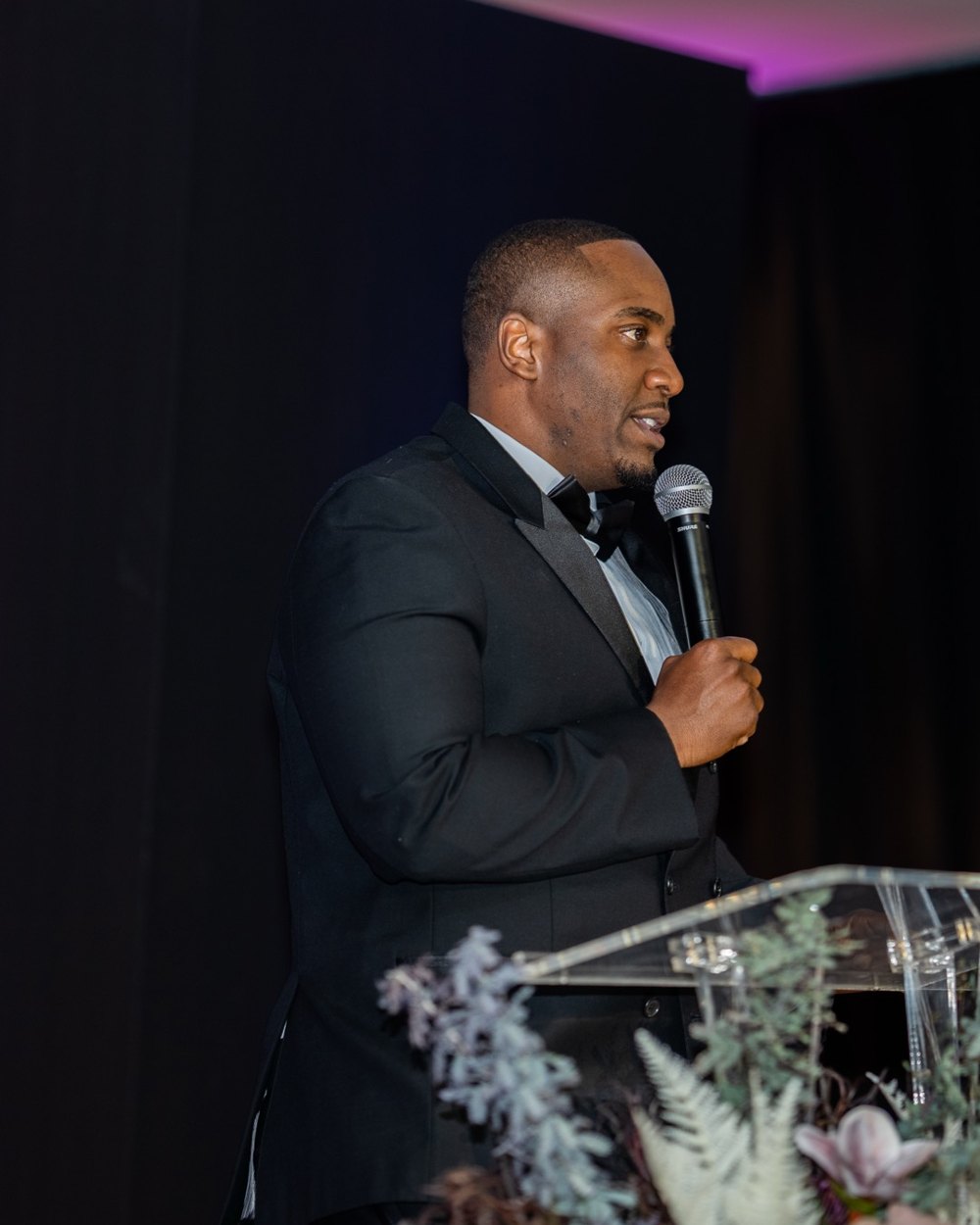
When we look at the work The ABLE Foundation has been able to accomplish, I want to be very clear about something: none of it happened because of us alone.
Every program, every partnership, every dollar invested, every person supported and every opportunity created represents a community effort. It represents people choosing to give their time, their resources, their expertise, their platforms and, sometimes, simply their willingness to show up.
Founder’s Perspective
And right now, showing up for one another matters.
Groceries are expensive. Jobs feel harder to come by. For too many people, working full-time still does not guarantee the ability to comfortably afford basic necessities. People are tired. They are frustrated. They are stretched thin, overworked and carrying pressures that are not always visible from the outside.
In moments like this, it can be easy to retreat. To focus on our own homes, our own organizations, our own families, our own problems and simply try to make it through.
But I believe this is the exact moment when community matters most.
The ABLE Foundation was born from a vision of togetherness. I envisioned an organization that would see the whole person rather than reduce someone to the one need, barrier or circumstance that brought them through the door. An organization willing to ask: What do you need to move forward?
Since we started, I have heard that idea described as bold. I have also heard that it is too broad, too wide or not specific enough for the way organizations are traditionally expected to position themselves to funders.
I disagree because I believe it is incredibly specific. Somewhere along the way, in our effort to define programs, measure outcomes, identify populations and build strategies, we can forget the reason any of those things exist in the first place.
Founder’s Perspective
The person.
Not simply their income level.
Not simply the barrier they are facing.
Not simply the resource they lack.
The person.
ABLE’s five pillars allow us to work across education, economic advancement, culture, health and wellness, and justice and equity because people’s lives do not exist in neatly separated categories. A person may need an educational opportunity today, support for their business tomorrow and access to a wellness resource six months from now. Their needs may change, but their humanity does not.
That is what we mean when we say people first.
And the numbers featured throughout this edition of The ABLE Insider tell part of that story. They show what has been invested, what has been built and what has been possible. But behind every number is a relationship. A partner who said yes. A volunteer who gave their time. A donor who believed in the work. A community member who trusted us enough to participate. An organization willing to collaborate rather than compete.
“Behind every number is a relationship.
That is the part of our impact I am most proud of.
Founder’s Perspective
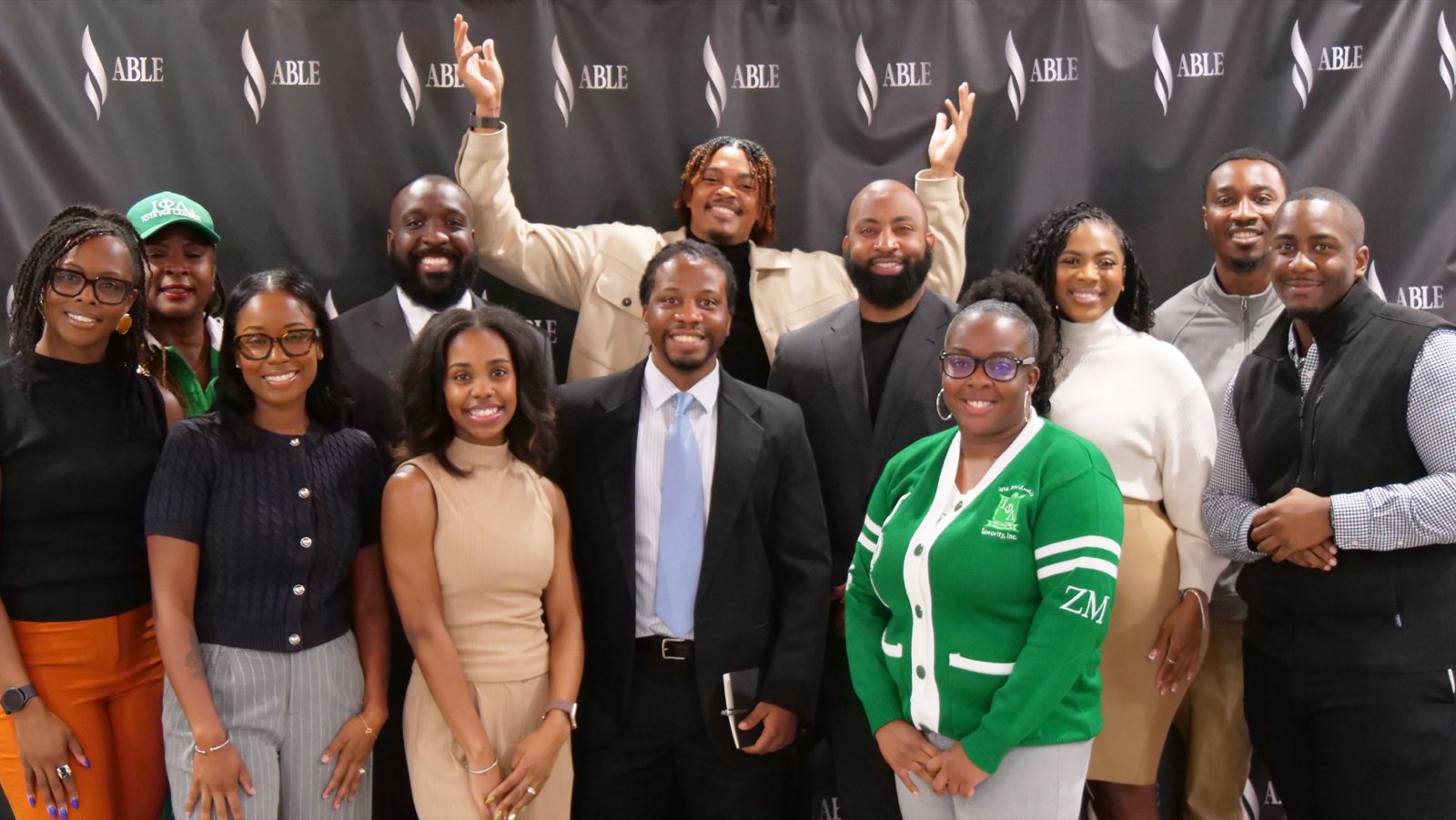
I think about our friends at Iota Phi Lambda Sorority, Inc., Zeta Mu Chapter. Their support has never simply been their name attached to ours. Their members have shown up as mentors, panelists and donors, poured into our students, supported emerging entrepreneurs, shared opportunities with their network and continued to find ways to stand alongside ABLE. Under the leadership of their Chapter President, Camille Tillar, they have demonstrated what partnership can look like when service is truly shared. Camille and the women of Zeta Mu, thank you. Your willingness to show up is part of this story too.
We have built a community that is selfless, empathetic, understanding and present. And as we continue forward, my hope is not simply that ABLE grows. My hope is that this spirit of community grows with us.
We have been reminded plenty of times that one organization cannot solve poverty, hunger, inequality, sickness or every challenge facing our communities. That may be true, but I have never believed that knowing we cannot solve everything is a reason to stop trying to change something.
Especially when we do not have to try alone.
There may be pressure to turn inward. There may be moments when resources feel scarce and uncertainty makes protecting our own corner feel like the safest thing to do.
My hope is that we resist that instinct.
Keep reaching across.
Keep checking on your neighbor.
Keep sharing the opportunity.
Keep making the introduction.
Keep supporting the small organization doing extraordinary work with limited resources.
Keep choosing community.
Because if the work we have accomplished so far has taught me anything, it is that our greatest resource has never simply been money, programs or institutions.
It has always been each other.
Together, WE ARE ABLE.
The ABLE Foundation
Legacy Builders keep the work in these pages going long after the issue ends. Any amount. Every month.
Start giving monthlyThe next issue arrives Tuesday, November 17. ablethefoundation.org/subscribe